

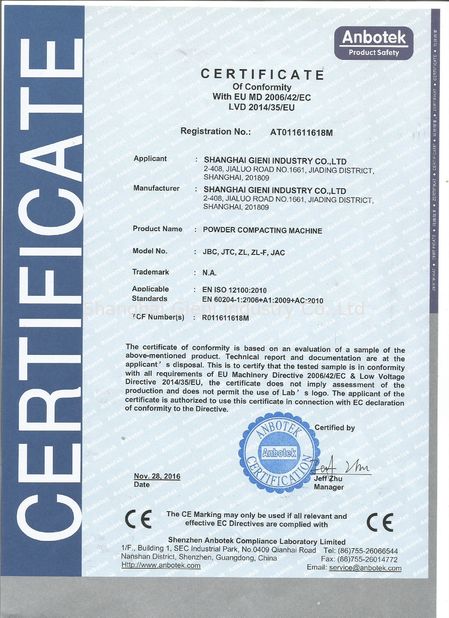

Di bidang khusus bahan kimia murni, formulasi kosmetik, dan manufaktur skala kecil, pencapaian pemadatan bubuk yang presisi dan seragam merupakan persyaratan proses yang kritis. Baik untuk pengujian formula skala laboratorium atau validasi pasar kecil produk perawatan pribadi, peralatan pengepres tablet yang efisien dan andal terbukti sangat diperlukan. Pemeriksaan ini berfokus pada salah satu solusi canggih tersebut—mesin pengepres pneumatik—menganalisis prinsip operasionalnya, keunggulan teknis, skenario aplikasi, dan spesifikasi utama untuk berfungsi sebagai referensi komprehensif bagi para profesional industri.
Pertimbangkan sebuah laboratorium yang mengembangkan formulasi eyeshadow baru. Kepadatan bubuk yang longgar, distribusi ukuran partikel, dan karakteristik aliran secara langsung memengaruhi tekstur produk akhir dan kinerja pigmentasi. Pencapaian hasil yang konsisten dan padat yang tahan terhadap remah tidak dapat dicapai secara andal melalui metode manual. Pengepresan tangan tidak hanya terbukti tidak efisien tetapi juga gagal menjamin keseragaman dari batch ke batch. Peralatan profesional yang mampu memberikan tekanan stabil dengan kontrol proses yang presisi menjadi penting untuk mempercepat siklus pengembangan dan memastikan kualitas produk.
Seperti namanya, mesin pengepres pneumatik menggunakan udara terkompresi sebagai sumber dayanya, mentransmisikan gaya melalui silinder pneumatik untuk mencapai pemadatan bubuk. Keunggulan mendasarnya terletak pada pengiriman tekanan yang dapat disesuaikan dan dapat diulang dengan kontrol proses yang tepat—memungkinkan pembentukan bubuk berkualitas tinggi. Sistem ini sangat unggul dalam lingkungan penelitian, produksi skala kecil, dan aplikasi yang memerlukan perubahan cetakan yang sering.
Mekanisme kerja pengepres pneumatik mengikuti fisika yang lugas: udara terkompresi menggerakkan gerakan piston di dalam silinder, menciptakan gerakan linier yang diterjemahkan menjadi gaya kompresi ke bawah melalui kepala pengepres. Kecanggihan teknologi muncul dalam beberapa aspek utama:
Ketergantungan penuh pada sistem pneumatik menghasilkan arsitektur mekanis yang disederhanakan dengan persyaratan perawatan minimal. Desain ini menawarkan keunggulan keselamatan inheren di lingkungan yang sensitif terhadap ledakan. Operasi biasanya dilakukan melalui antarmuka tombol tekan atau panel kontrol dasar, memungkinkan fungsi mulai-berhenti dan pemilihan mode yang mudah.
Sistem ini menyediakan rentang tekanan yang dapat disetel antara 4-7 kg/cm²—spesifikasi penting karena komposisi bubuk yang berbeda (pigmen eyeshadow, perona pipi, bubuk lepas) menuntut gaya kompresi tertentu untuk hasil yang optimal. Peneliti dapat menyempurnakan pengaturan tekanan sesuai dengan sifat material dan kepadatan produk yang diinginkan.
Untuk alur kerja laboratorium atau batch produksi terbatas, throughput tetap menjadi pertimbangan praktis. Model standar mencapai kecepatan pengepresan 20-40 tablet per menit (t/menit), sementara varian yang berorientasi produksi mempertahankan 10-25 buah per menit (pcs/menit). Amplop kinerja ini mengakomodasi pengembangan prototipe cepat dan kebutuhan manufaktur produksi kecil.
Model canggih menggabungkan fase pembebanan awal dan peningkatan tekanan yang dapat diprogram. Tahap pembebanan awal pertama kali mengkonsolidasikan bubuk dengan lembut sambil mengeluarkan kantong udara, diikuti oleh peningkatan tekanan yang lebih tinggi untuk mencapai kekerasan target dan integritas struktural. Pendekatan bertahap ini mengakomodasi reologi bubuk yang beragam, mencegah kegagalan pemadatan akibat penerapan gaya yang tidak tepat.
Mesin pengepres pneumatik telah memantapkan diri sebagai alat yang sangat diperlukan untuk pemrosesan bubuk presisi, menggabungkan kinerja yang andal dengan operasi yang fleksibel. Dengan menghilangkan inkonsistensi metode manual dan memberikan kontrol tekanan yang tepat, sistem ini menyediakan fondasi teknis untuk produk padat berkualitas tinggi di seluruh lingkungan penelitian dan produksi terbatas.
Kontak Person: Mrs. Joan.WU
Tel: 8613482060127


 Indonesian


